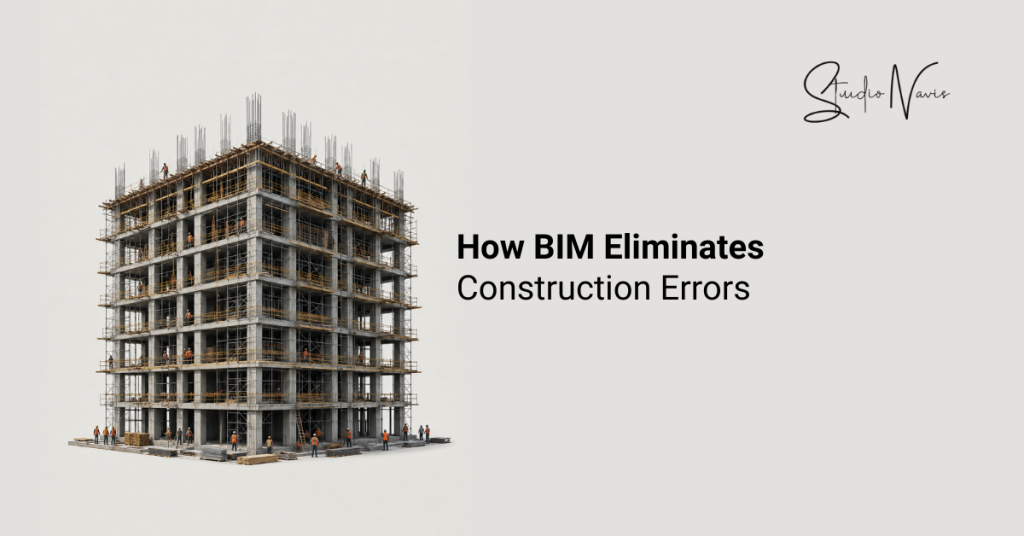
Construction projects today are more complex than ever, involving multiple stakeholders, tight timelines, and high budgets. Even minor mistakes can lead to serious delays and financial losses. This is where BIM Coordination becomes essential. It helps teams collaborate efficiently, identify problems early, and reduce costly errors before construction begins.
What is BIM Coordination?
BIM coordination is the process of integrating different building systems—architectural, structural, and MEP—into a single digital model. This allows all teams to work in a shared environment where every detail is visible and aligned. Instead of working separately, stakeholders collaborate in real time, ensuring that designs are consistent and accurate across all disciplines.
Clash Detection: Solving Problems Before They Happen
One of the most powerful features of BIM coordination is clash detection. In traditional construction, conflicts between systems are often discovered only during execution. BIM identifies these issues in advance within the digital model. Whether it’s a pipe intersecting a beam or ductwork clashing with electrical systems, these problems can be resolved early, saving time and cost.
Improved Communication and Collaboration
Effective communication is critical in any construction project. BIM coordination provides a centralized platform where all stakeholders can access updated information. This eliminates confusion caused by outdated drawings or miscommunication. Teams can collaborate seamlessly, ensuring that everyone is on the same page throughout the project lifecycle.
Enhanced Accuracy in Documentation
Traditional 2D drawings can sometimes lead to misinterpretation. BIM coordination generates accurate documentation directly from the 3D model. Any updates made in the model are automatically reflected in the drawings, ensuring consistency. This reduces errors and improves the overall quality of construction documentation.
Time and Cost Efficiency
By identifying and resolving issues early, BIM coordination significantly reduces rework and delays. Contractors can plan better, optimize resources, and minimize material waste. This leads to faster project completion and improved profitability. In a competitive market, these efficiencies provide a strong advantage.
Better Visualization for Stakeholders
BIM coordination allows stakeholders to visualize the entire project before construction begins. This helps in understanding design intent, identifying potential issues, and making informed decisions. Clients can see a realistic representation of the final outcome, which improves confidence and satisfaction.
Risk Reduction and Project Control
Construction projects involve various risks, from design conflicts to scheduling issues. BIM coordination helps teams analyze and mitigate these risks in advance. By simulating different scenarios, teams can prepare better and avoid unexpected disruptions during execution.
Supporting Sustainable Construction
BIM coordination also contributes to sustainability by optimizing designs and reducing waste. Efficient planning ensures better use of materials and resources, aligning with modern environmental standards. This not only benefits the environment but also enhances project efficiency.
Why Your Business Needs a BIM Partner
To fully leverage the benefits of BIM, businesses need the right expertise and tools. This is where Studio Navis comes in. Studio Navis will help your business streamline processes, improve coordination, and eliminate construction errors. With a complete approach—from modeling to documentation—you get everything you need from one expert team.
What is BIM coordination in construction?
BIM coordination is the process of integrating architectural, structural, and MEP systems into a single 3D model to identify and resolve conflicts before construction begins. It improves collaboration, reduces errors, and ensures all teams work with accurate and updated information.
How does BIM coordination reduce construction errors?
BIM coordination helps detect clashes and design issues in the virtual stage, preventing costly mistakes on-site. By resolving conflicts early, it minimizes rework, avoids delays, and improves overall project efficiency.
Why should businesses choose a BIM partner like Studio Navis?
Working with an experienced BIM partner ensures accurate modeling, seamless coordination, and high-quality documentation. Studio Navis will help your business reduce risks, save costs, and deliver projects efficiently with a complete end-to-end BIM solution.